Lawn Maintenance & Landscaping Services in Dallas, TX
A Better-Looking Yard Starts Here.
Reliable lawn maintenance and landscaping for Dallas homeowners who want their property to look clean, cared for, and ready to enjoy.
Professional lawn care without the hassle.
Dependable service and a yard that looks good every time the crew leaves.
Lawn Maintenance
Mowing, edging, trimming and cleanup to keep your lawn looking sharp throughout the season.
Landscaping
Flower beds, mulch, shrubs and simple landscape improvements that add curb appeal.
Seasonal Cleanup
Spring, fall and one-time cleanups to get your property looking its best.
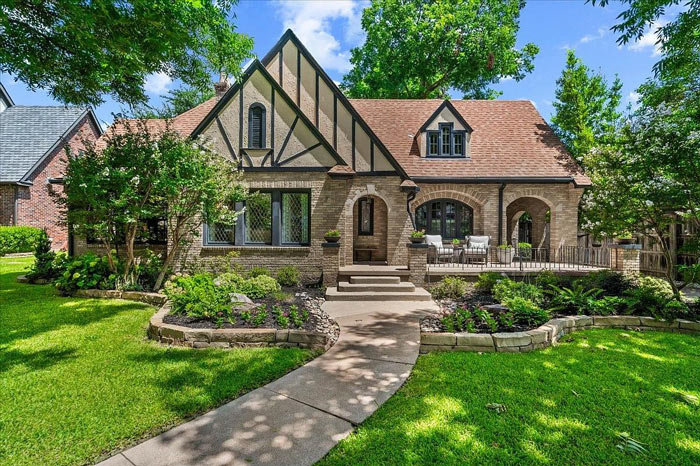
Local service. Personal attention.
Keep the message simple: dependable scheduling, clear communication, quality work and a local owner who cares about the finished result.
- Reliable recurring service
- Clear, straightforward pricing
- Professional cleanup every visit
- Local Dallas-area service
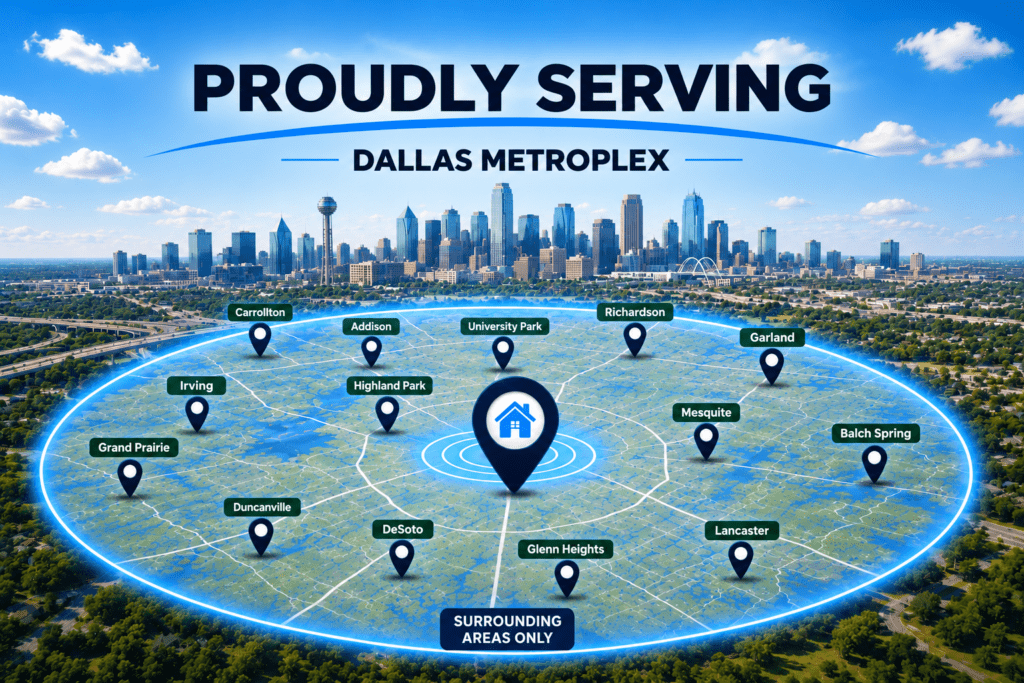
Serving Dallas and nearby communities.
Garland
Grand Prairie
Irving
Mesquite
Carrollton
Richardson
Addison
Duncanville
DeSoto
Highland Park
University Park
Balch Spring
Glenn Heights
Lancaster
and more!
Frequently Asked Questions
Check out the typical questions we get asked to see if the answer is there, and if you can not find it let us know and we’ll be happy to get you the answer right away!
How much does lawn mowing service cost in Dallas, Texas?
The cost of lawn mowing in Dallas depends on the size of the yard, grass height, mowing frequency, obstacles, edging requirements, and the amount of cleanup needed. Smaller, regularly maintained residential lawns generally cost less than large or overgrown properties. Maldonado Garden Services provides estimates based on the specific property and services needed, so homeowners only pay for the lawn care their yard requires.
How often should I have my lawn mowed in Dallas?
Most Dallas lawns need mowing about once a week during the active growing season, although the right schedule depends on the grass type, weather, rainfall, and growth rate. During slower-growing periods, mowing can often be reduced to every two weeks or as needed. Regular mowing helps maintain a cleaner appearance and prevents the lawn from becoming excessively tall between visits.
What is included in a basic lawn maintenance service?
Basic lawn maintenance typically includes mowing the lawn, edging along sidewalks and driveways, string trimming around fences and other areas the mower cannot reach, and blowing grass clippings from hard surfaces. Additional services such as shrub trimming, leaf cleanup, flower-bed maintenance, mulch, or other landscaping work can be added depending on the property.
Interestingly, the City of Dallas describes its own mowing maintenance similarly: mowing, edging, line trimming and removing grass clippings from streets and concrete areas.
Is weekly or biweekly lawn mowing better in Dallas?
Weekly mowing is generally better during periods of rapid grass growth, while biweekly service may work when growth slows. Dallas’s warm-season grasses can grow quickly during late spring and summer, and waiting too long between cuts can result in removing too much of the grass blade at once. The best mowing schedule should be based on how quickly the individual lawn is actually growing rather than following the same schedule year-round.
What type of grass grows best in Dallas, Texas?
Bermudagrass and St. Augustine are two common choices for Dallas-area lawns, and each performs best under different conditions. Bermudagrass performs especially well in sunny areas, while St. Augustine has better shade tolerance but generally requires more water. The amount of sunlight, irrigation, soil conditions, and desired appearance should all be considered when choosing grass for a North Texas yard. Texas A&M notes that St. Augustine generally requires more supplemental irrigation than drought-tolerant warm-season grasses such as Bermuda.
How often should I water my lawn in Dallas?
An established Dallas lawn should generally be watered deeply and less frequently rather than receiving a small amount of water every day. Texas A&M recommends that established turf typically shouldn’t need irrigation more than one or two times per week during warmer months, with watering reduced or eliminated when rainfall provides enough moisture.
Actual watering needs depend on the grass, soil, temperature, rainfall, shade, and sprinkler coverage. Homeowners should also follow any current City of Dallas watering requirements.
Why does my lawn have brown spots even though I water it?
Brown spots aren’t always caused by a lack of water. Common causes can include uneven sprinkler coverage, excessive watering, drought stress, insects, fungal disease, pet damage, compacted soil, mowing too short, or other lawn conditions. Checking whether the soil underneath the brown area is actually receiving water is a good first step before simply increasing irrigation.
When is the best time to fertilize a lawn in Dallas, Texas?
For warm-season Dallas lawns, fertilizer should generally be applied after the grass has begun actively growing in the spring rather than simply fertilizing on a particular calendar date. Texas A&M recommends waiting until St. Augustine has been mowed at least twice in spring before the first fertilizer application and generally making the final nitrogen application at least four to six weeks before the area’s historical first frost. A soil test is the best way to determine the lawn’s specific nutrient requirements.
When should I aerate my lawn in Dallas?
Dallas lawns with compacted soil can benefit from core aeration while the grass is actively growing. Aeration removes small plugs of soil, helping relieve compaction and allowing water, air, and nutrients to reach the root zone more effectively. Texas A&M specifically recommends using a core aerator when dealing with compacted areas and doing so while the turf is actively growing.
Do I need lawn service year-round in Dallas, Texas?
Dallas lawns usually don’t require the same mowing frequency year-round, but yards can still need maintenance throughout the year. Mowing is more frequent during the warm growing season and decreases considerably as warm-season grasses slow down or go dormant. Fall and winter services can shift toward leaf removal, cleanup, trimming, bed maintenance, and general property upkeep until active grass growth returns.
The City of Dallas, for example, describes its primary growing/mowing season as typically running from February through November, although individual residential lawns and grass varieties will vary.